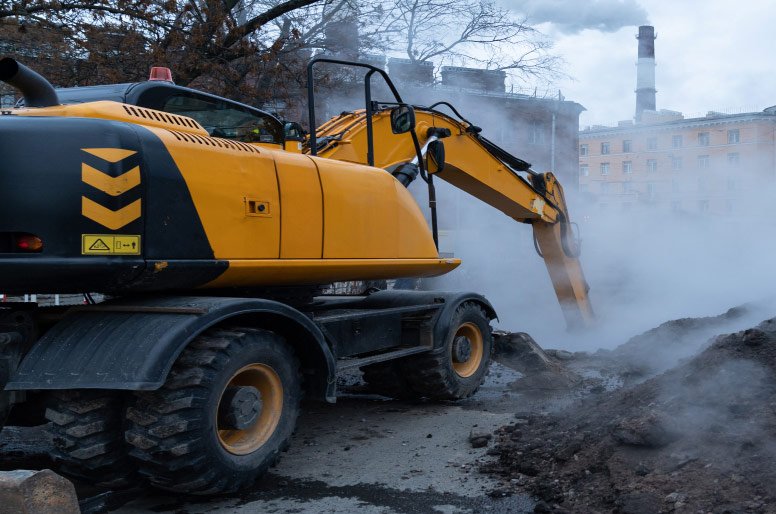
In today’s fast-paced construction and industrial sectors, machinery is no longer just about raw power—it’s about efficiency, adaptability, and meeting evolving project demands. Equipment evolution has become essential for businesses looking to stay competitive, reduce operational costs, and complete projects on time. Modern machinery is designed to adapt to various terrains, workloads, and technological advancements, ensuring maximum performance under any condition.
1. Meeting Diverse Project Requirements
Construction and industrial projects vary in scale and complexity. Modern machinery is engineered to handle multiple tasks:
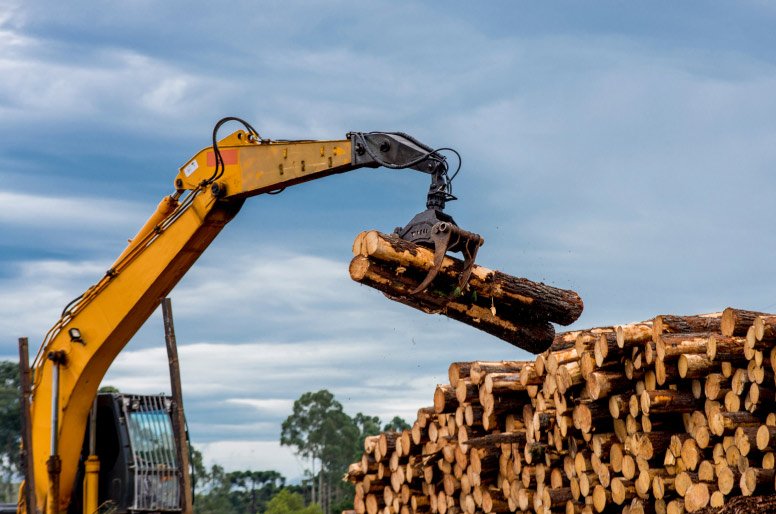
- Excavators with multi-attachment compatibility
- Loaders and cranes adaptable to different load capacities
- Specialized machines for road construction, mining, and infrastructure projects
By evolving to meet diverse requirements, equipment reduces the need for multiple machines, saving time and resources.
2. Integration of Advanced Technology
Technology is driving machinery evolution. Advanced equipment now includes:
- Telematics systems for real-time monitoring
- GPS-enabled navigation for precision work
- Automated and semi-automated controls for efficiency
These innovations allow operators to perform tasks more accurately, reduce fuel consumption, and monitor machine health remotely.
3. Enhancing Fuel Efficiency and Sustainability
Environmental concerns and rising fuel costs have pushed manufacturers to evolve machines with:
Optimized operational modes for fuel savings
Sustainable equipment ensures compliance with regulations while reducing operational costs for businesses.
Low-emission engines
Energy-efficient hydraulics
4. Durability for Extreme Conditions
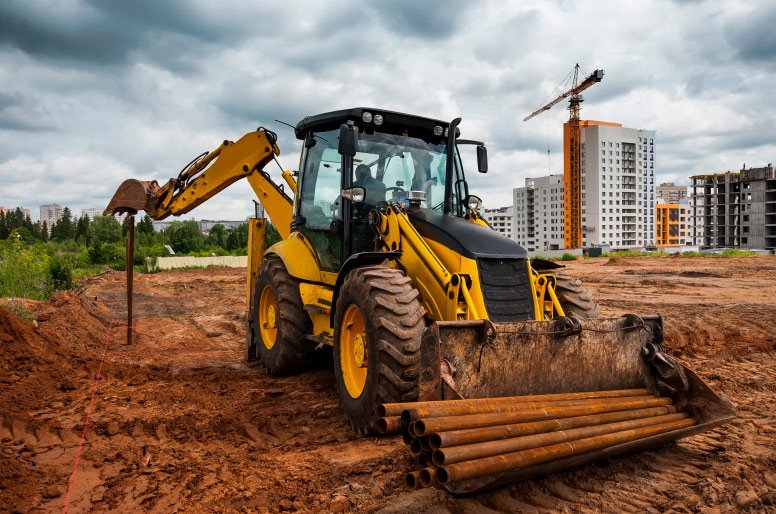
Modern machinery is designed to adapt to harsh working environments.
- Reinforced frames and parts for heavy-duty operations
- Advanced cooling and lubrication systems for high-temperature areas
- Weather-resistant components for varied climates
Durable equipment minimizes downtime and increases project reliability.
5. Operator Comfort and Safety
Evolving equipment also focuses on operator well-being:
- Ergonomic cabins with adjustable seating
- Better visibility and intuitive control panels
- Enhanced safety systems like anti-rollover and collision alerts
Comfortable and safe machinery boosts productivity while reducing operator fatigue.
6. Easy Maintenance and Serviceability
Modern machines are built for easier maintenance:
- Quick-access panels for inspections
- Modular components for faster repairs
- Integrated diagnostic systems for preventive servicing
Simplified maintenance keeps machines running longer and reduces downtime.
7. Future-Ready Equipment
As construction and industrial demands continue to evolve, equipment must be ready for future challenges:
- Adaptable to new attachments and technologies
- Compatible with digital monitoring systems
- Designed for longevity and upgrades
Businesses that invest in future-ready machinery gain a competitive edge and operational efficiency.
Conclusion
Equipment evolution is about more than just newer models—it’s about machines that adapt, perform, and deliver under changing demands. By incorporating advanced technology, sustainability, safety, and versatility, modern machinery ensures businesses stay productive, efficient, and competitive.
At AGTCL, we provide high-quality, future-ready equipment designed to meet the challenges of today and tomorrow. From heavy-duty machinery to specialized industrial equipment, our products are built to evolve with your business needs.